On October 30, 2025, Donald J. Trump and Xi Jinping shook hands in Busan, South Korea, not to end the trade war—but to pause it. The two leaders announced a temporary reduction in tariffs on Chinese goods entering the U.S., cutting the so-called "fentanyl" tariff from 20% to 10%. In return, China agreed to drop its retaliatory tariffs on American soybeans and other agricultural exports. But here's the thing: the core structure of the trade war? Still intact. The 34% tariff imposed on April 2, 2025, remains on the books—just delayed. And if no deal is reached by January 2026, it snaps back into place. This wasn't peace. It was a truce with an expiration date.
A Deal Built on Sand
The October 30, 2025 agreement was less a breakthrough and more a tactical retreat. Both sides had been bleeding from the economic fallout of tariffs that once peaked at 145% in early April 2025. By May, they’d already rolled back to 10% on many goods. The October deal extended that 10% rate until November 10, 2026, and suspended the 24% surcharge imposed on April 9, 2025. But the real tension lay in the 34% rate—still active, still looming. China Briefing warned plainly: "Should no further deal be reached in the next 90 days, the tariff rate will return to 34 percent, not 125 percent." That’s not a mistake. It’s a threat. The U.S. could revert to a higher rate without triggering the full 2025 escalation cycle. It’s a scalpel, not a sledgehammer.What Got Cut—and What Didn’t
The agreement delivered tangible wins for specific industries. U.S. farmers breathed easier as China canceled its March 2025 retaliatory tariffs of 10–15% on soybeans, pork, and corn. By November 2025, South China Morning Post reported soybean purchases had resumed, signaling a thaw in agricultural trade. Meanwhile, the U.S. lifted its 20% tariff on certain Chinese chemical precursors used in fentanyl production—reducing it to 10%—and both nations pledged new controls on shipments of those same materials. That linkage between trade policy and drug enforcement was deliberate. It gave Trump political cover domestically, framing the deal as a win in the opioid crisis.But the big-ticket items? Still locked. Electronics, machinery, and rare earth minerals remain under heavy tariff burdens. The Maritime Fair Trade report noted that even after the 10-percentage-point cut, "the effective tariff rate on Chinese imports remains notably high." For manufacturers relying on Chinese components, relief was minimal. The deal didn’t touch intellectual property disputes, forced technology transfers, or state subsidies—issues that sparked the conflict in the first place. It was a ceasefire on the front lines, not a peace treaty.
China’s Silent Response
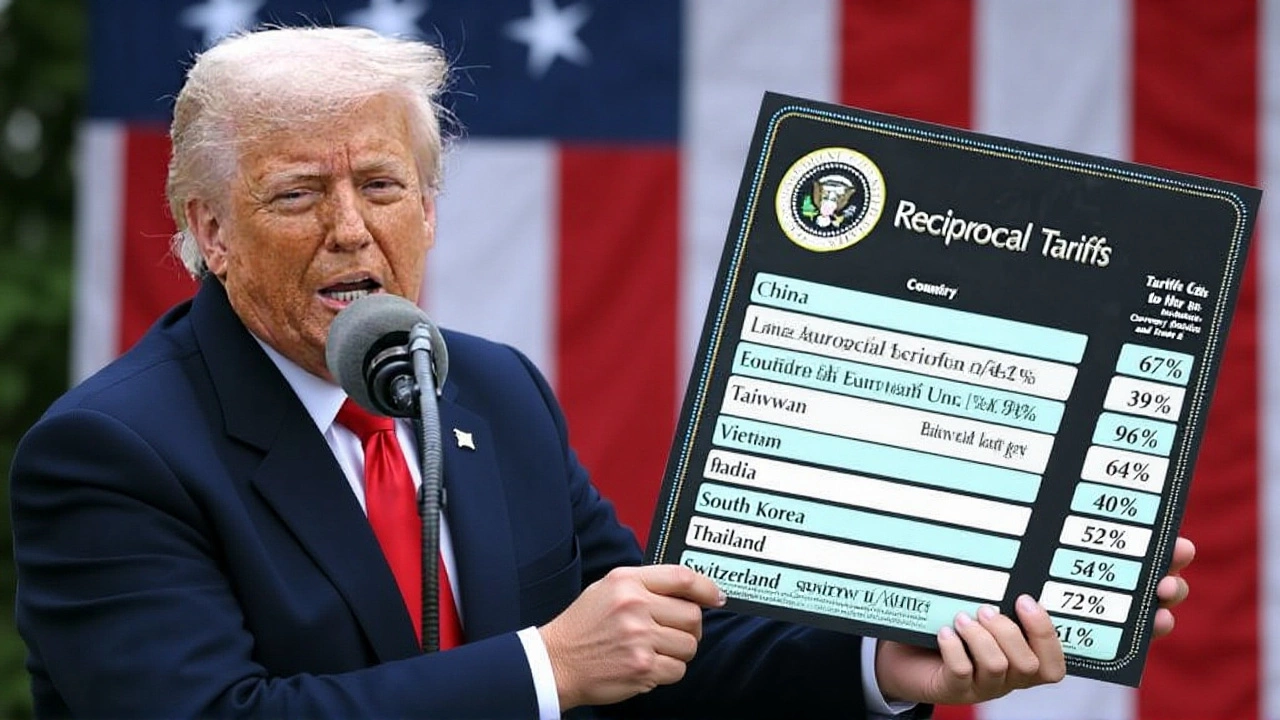
While the White House released a Fact Sheet on November 1, 2025, claiming China had agreed to extend market-based tariff exclusions for U.S. goods until December 31, 2026, Beijing never confirmed it. No official statement. No press release. No Ministry of Commerce bulletin. That silence speaks volumes. In past trade rounds, China moved quickly to announce concessions—often with fanfare. This time? Radio silence. Analysts suspect the Chinese leadership wanted to avoid domestic backlash, especially with Xi’s administration under pressure to show strength amid slowing growth. The U.S. may have announced a win, but without Chinese verification, the commitment is as fragile as a paper lantern.What Comes Next? The January 2026 Deadline
The real clock starts ticking on January 27, 2026—90 days after October 30. If no new agreement is reached by then, the 34% tariff on Chinese imports reactivates. That’s not a hypothetical. It’s written into the deal. And if that happens, the ripple effects will be immediate. U.S. retailers will raise prices on electronics, appliances, and toys. Chinese exporters will cut production. Factories in Guangdong and Zhejiang could idle. Meanwhile, the U.S. will face inflationary pressure just as the Federal Reserve weighs interest rate cuts. The October 30, 2025 Busan summit didn’t resolve anything—it just kicked the can down the road. And the road leads straight to January.
A Pattern of Temporary Truces
This isn’t the first time Trump and Xi have paused hostilities. The 2018-2020 trade war saw similar cycles: escalation, negotiation, partial rollback, then renewed tension. The 2025 deal follows the same script. What’s different now? The stakes are higher. China’s economy is more fragile. U.S. inflation is more entrenched. And the global supply chain is less forgiving. The South China Morning Post noted on November 26, 2025, that "the possibility of four Trump-Xi meetings next year shows how the US leader has flipped to seeking stability with China." That’s not a sign of trust—it’s a sign of exhaustion. Both sides want to avoid a full-blown economic rupture. But neither wants to concede.So what does this mean for you? If you’re buying a new TV, expect prices to stay high through 2026. If you’re a farmer, your soybean exports might stay steady—for now. If you’re watching the stock market, watch for volatility around January 2026. The deal didn’t fix the trade war. It just put it on hold.
Frequently Asked Questions
What tariffs were actually reduced in the October 2025 deal?
The U.S. cut the "fentanyl-related" tariff on specific Chinese chemical imports from 20% to 10%. China dropped its 10–15% retaliatory tariffs on U.S. agricultural goods like soybeans and pork. The broader 10% reciprocal rate, established in May 2025, was extended until November 10, 2026. But the 34% tariff from April 2, 2025, remains active and will return if no extension is agreed upon by January 2026.
Why did China stay silent on the December 31, 2026 exclusion deadline?
China never officially confirmed the White House’s claim that tariff exclusions for U.S. goods would last until December 31, 2026. Beijing likely avoided public affirmation to prevent domestic criticism, as Chinese officials face pressure to appear firm on trade concessions. Without formal confirmation, the deadline lacks legal standing in China, making it a diplomatic gesture rather than a binding commitment.
How does this affect U.S. consumers and businesses?
Consumers may see slight price relief on agricultural imports and some pharmaceutical precursors, but electronics, machinery, and consumer goods remain under high tariffs. Businesses relying on Chinese supply chains face uncertainty—especially with the January 2026 deadline looming. Retailers and manufacturers are bracing for potential price hikes if the 34% tariff reactivates, which could push inflation higher just as the Fed considers rate cuts.
Is this deal a sign the U.S.-China trade war is ending?
No. The deal only modifies surface-level tariffs while leaving core issues untouched: intellectual property theft, state subsidies, and tech restrictions. The fact that both sides are scheduling multiple future meetings suggests they’re managing conflict, not resolving it. The trade war’s foundation remains solid—this is just a temporary ceasefire with a countdown clock.
What role did fentanyl play in this agreement?
Fentanyl precursors became a bargaining chip. By lowering the tariff on these chemicals from 20% to 10%, the U.S. gained political leverage at home, framing the deal as a win in the opioid crisis. In return, China agreed to new export controls on these materials—a move that helped both nations appear cooperative on drug enforcement, even as broader trade tensions simmered.
Could the 34% tariff return even after November 10, 2026?
Yes. The November 10, 2026 date only extends the 10% rate on most goods. The 34% tariff from April 2, 2025, was never eliminated—it was suspended. If tensions flare again after 2026, the U.S. could reinstate the 34% rate without going through the full escalation process of 2025. That’s the real power of this deal: it preserved the threat.